Actors, Creators and Casting: Focus on What You Control
Actors and creators bring different strengths to casting. Focus on craft, camera skills, professional materials, and a public presence you can sustain.
By Sal Framondi
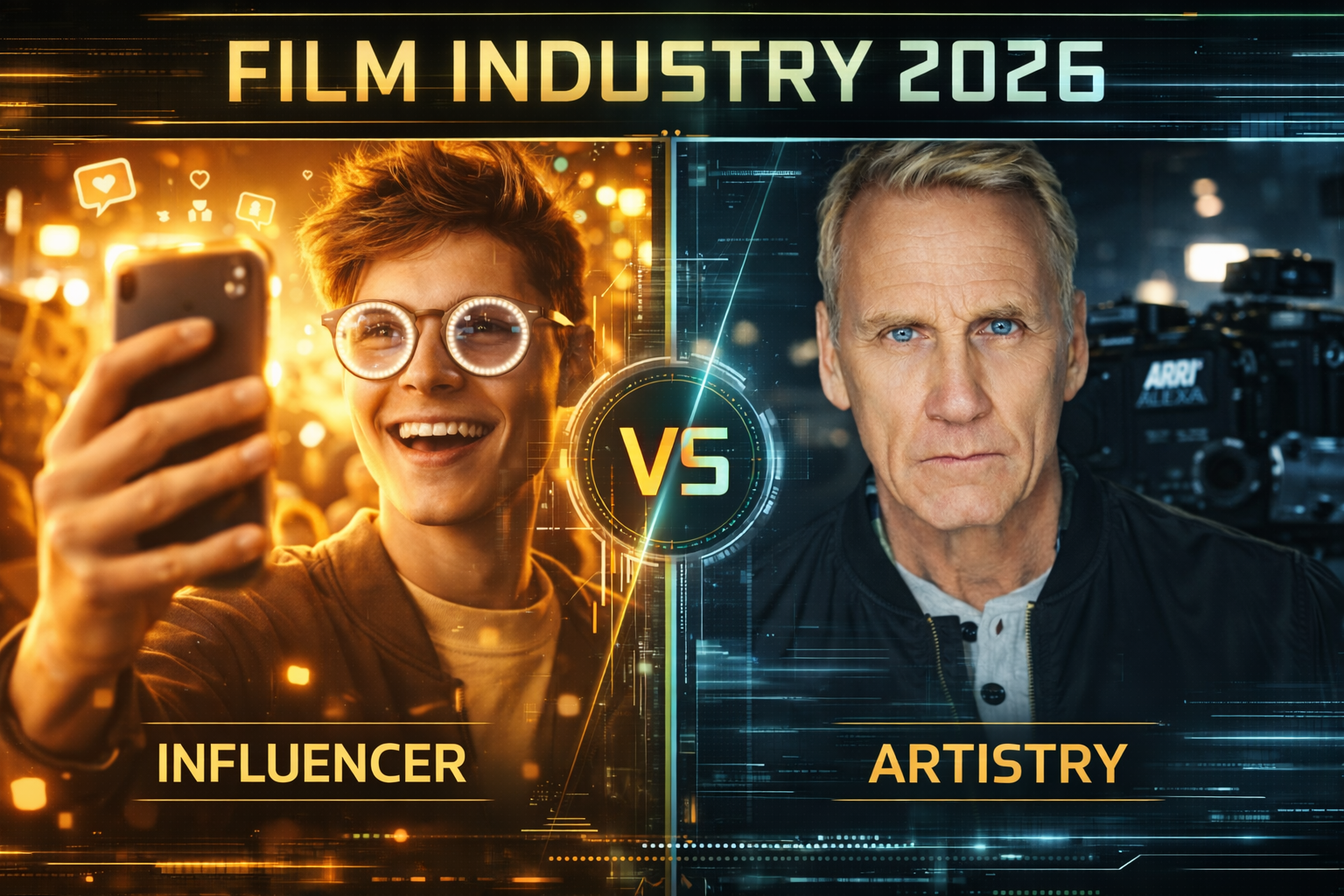
Actors and online creators are not opposing teams, and a following is not a universal casting requirement. Different projects weigh different needs. Strengthen the acting, camera confidence, materials, and professional habits you control instead of building a strategy around resentment or speculation.
A creator may also be a trained actor. An actor may also make useful online work. These identities overlap, and both require the ability to communicate through a lens. The better question is not who is “taking” whose role. It is what your work needs to show when an opportunity reaches you.
Do not build a strategy around an assumption
Actors rarely know every reason behind a casting decision. A project may consider performance, chemistry, tone, availability, location, physical requirements, and other details. Their weight changes from one job to another.
Without direct information, it is not useful to assume that another person was selected because of a follower count. That story may be wrong, and even when audience reach is relevant to a particular project, it does not tell you what will matter in the next audition.
Focus on the instructions and the material in front of you. If a notice asks for social information, answer accurately. If it does not, do not let imagined comparisons interfere with the scene. Your task remains the same: submit a clear, specific performance that fits the brief.
Learn from creators without copying a persona
Experienced creators often develop useful camera habits. They know where the lens is, can begin without a long warm-up, communicate an idea efficiently, and notice when sound or framing makes a message difficult to follow. Those are practical production skills, not substitutes for acting craft.
An actor can learn from that fluency while keeping the work grounded in character and relationship. Practice starting a piece directly, staying visually available, and speaking with clarity. Learn a repeatable recording workflow so technical problems do not consume the session.
Do not imitate another person’s energy, rhythm, or online identity. A style designed for a short personal video may not suit a dramatic scene, understated commercial copy, or period material. Use camera awareness to make your acting accessible, then let the given circumstances determine the tone.
Protect the difference between presence and performance
Personal content often depends on direct address: the creator speaks to viewers as themselves. Acting usually asks for a different relationship. Even when the eyeline is near the lens, the actor is speaking to a specific person within an imagined situation.
That difference changes the work. Instead of delivering information to a general audience, you need an objective, a history, and a response to what is happening now. Your energy comes from trying to affect the other person, not from trying to appear engaging.
Before a take, name the person you are addressing and what you need from them. Identify what has just happened. Decide what would make you change your approach. These questions create behavior that belongs to the scene rather than a polished presentation placed on top of it.
Make your materials easy to understand
Your headshot, résumé, reel, profile, and clips should give a coherent picture of your current work. They do not need to make you look suitable for every role. They need to be accurate, current, and easy for a professional to review.
Choose reel material that shows you listening and making choices, not only speaking. Label files clearly. Keep profile details current. Remove links that no longer work. If a public account is included in your professional materials, review what a visitor encounters first and make sure it represents you comfortably.
Consistency helps more than inflated presentation. Do not buy followers, imply credits you do not have, or reshape your personality around a trend you dislike. A professional footprint should reduce confusion, not create a second role you must perform every day.
Build a public presence only if it serves you
You do not need to become a full-time creator to be a serious actor. A modest, sustainable public presence can still help collaborators understand your interests and current work. It can also give you a place to practice concise storytelling or share projects you are permitted to discuss.
Choose a format you can maintain without damaging your training, finances, privacy, or attention. That might be occasional scene work, notes from a permitted rehearsal process, short original pieces, or updates about released projects. It may also be a simple professional profile with no regular content schedule.
Set boundaries before posting. Never reveal confidential audition material, private production information, unreleased scripts, or another person’s contact details. Check agreements before sharing anything from a set. Professional judgment matters more than frequency.
Use a two-track practice routine
Camera confidence and acting depth can be trained together without confusing their purposes. Try a weekly routine with two separate tracks.
- Craft track: Work a short scene. Define the relationship, objective, obstacle, and change. Record it with a reader and review whether you are receiving rather than presenting.
- Communication track: Explain one useful idea to the lens in less than a minute. Review the opening, clarity, framing, sound, and whether unnecessary words hide the point.
- Comparison: Notice which habits belong in both forms and which do not. Clear speech may transfer. A direct-to-audience delivery may not.
- Adjustment: Pick one technical and one acting adjustment for the next session.
This keeps online communication from replacing scene study. It also prevents technical uncertainty from weakening an otherwise prepared audition.
Evaluate opportunities, not stereotypes
When an audition arrives, assess that specific opportunity. Read who is producing it, what is being requested, where the work will appear, how the material may be used, and whether the terms make sense for you. A role involving a performer’s public audience should say what is expected rather than leaving the actor to guess.
If a request asks for posting, account access, audience data, or promotional work, clarify the scope before agreeing. Understand whether those duties are part of the role and whether they are reflected in the agreement. Do not assume every creator opportunity is exploitative, and do not assume every request is harmless. Read the terms.
For the audition itself, follow a dependable on-camera process. The Academy guide to auditioning on camera covers the core preparation and recording choices that help reviewers concentrate on your work.
Measure progress by controllable evidence
Useful measures include whether you submit on time, whether your files meet instructions, whether your materials are current, whether your scene choices are specific, and whether you can adjust without losing truth. You can also track training consistency, new professional relationships, and the quality of the work you create independently.
Follower totals and casting outcomes can move for reasons you cannot fully see. They should not be the only evidence you use to judge your career. Build skills that remain valuable across platforms and projects: preparation, listening, adaptability, camera ease, clear communication, and professional conduct.
Actors and creators can both bring meaningful strengths to a production. You do not need to defeat a category of people. Make your work easier to understand, deepen the craft behind it, and develop only the public presence that supports the career you actually want.