
Film & television performance
Character work that begins before the first line.
Wardrobe, physical presence, focus, and specificity all help casting see the role—not just the actor reading it.
You do not need a studio, an expensive camera, or years of experience. You need a clear plan. This free guide walks you through every step—from opening the audition notice to sending your finished tape, and the self-tape topics answer the single questions that come up along the way.
Free forever · No sign-up required · Read in any order

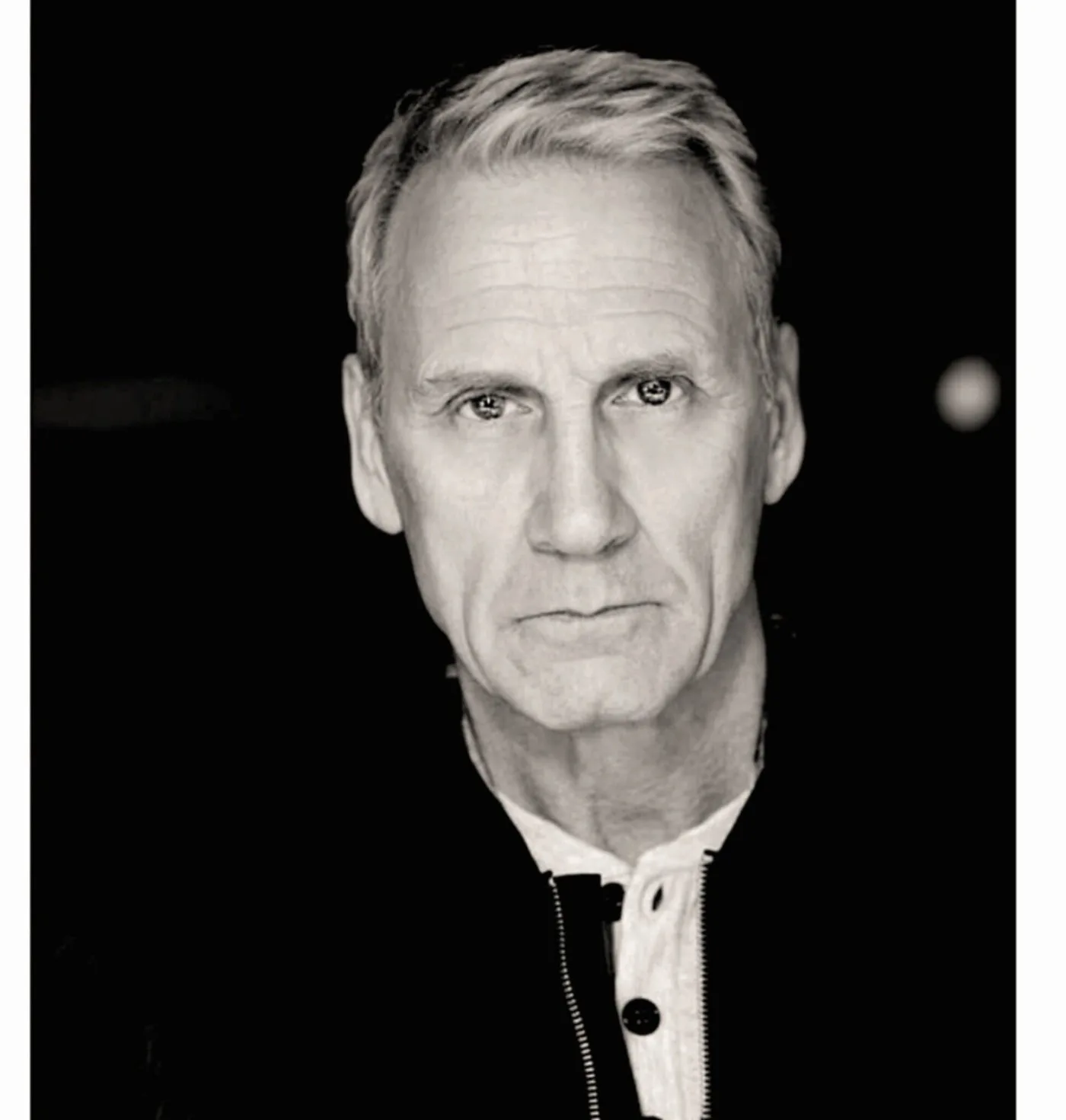
Self-taping can feel like you are expected to be the actor, camera operator, lighting crew, sound department, and editor—all at once. That is a lot.
This guide breaks the process into small, manageable decisions. We will show you what matters, what does not, and how to make a clean, confident audition in the space you already have.
Will is not teaching from the sidelines. His work spans major motion pictures, television, and demanding character roles—and the self-tape process in this guide is the one he uses himself.
Wardrobe, physical presence, focus, and specificity all help casting see the role—not just the actor reading it.
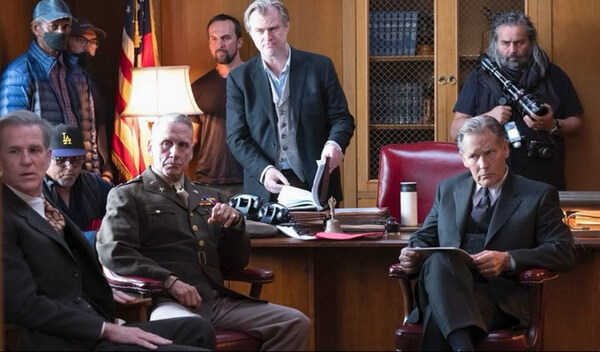
Will played General George C. Marshall in Christopher Nolan’s Academy Award-winning film.
Every chapter here comes out of the same process Will uses himself, refined across decades of film, television, stage and live work.
Start at the beginning or jump directly to the problem you need to solve today.
Understand the request, settle your nerves, and make choices before the camera turns on.
What a self-tape is, what casting needs to see, and how this guide will help.
Begin the guide → Chapter 02Turn the sides into clear, playable choices without tying yourself in knots.
Read chapter → Chapter 03Read the instructions, meet the deadline, and make your file easy to identify.
Read chapter → Chapter 04Work with a scene partner—or keep moving when nobody is available.
Read chapter →Stay fresh, make specific choices, and give casting a reason to keep watching.
Use affordable equipment and a few dependable rules to keep the focus on you.
The phone you already own is probably all the camera you need.
Read chapter → Chapter 08Keep your shot steady and your phone safely at eye level.
Read chapter → Chapter 09Place the camera, frame your body, and choose where to look.
Read chapter → Chapter 10Put soft, flattering light on your face without overcomplicating the room.
Read chapter → Chapter 11Make every word clear with a quiet room and a few easy checks.
Read chapter → Chapter 12Choose a simple background that separates you from the wall.
Read chapter → Chapter 13Suggest the character while keeping the attention on your performance.
Read chapter → Chapter 14Know when a prop helps the scene and when it becomes a distraction.
Read chapter →Turn your best take into a professional file and send it with confidence.
Trim, export, name, and check your tape before it leaves your hands.
Read chapter → Chapter 16Introduce yourself simply, clearly, and with your natural personality.
Read chapter → Chapter 17Quick definitions for the unfamiliar words in casting requests.
Look up a term →No pressure and no confusing sales pitch—just two useful next steps.
Browse free casting calls by city and project type on GotAuditions.
Browse free auditions →Practice and record your scene when a live reader is not available.
Explore self-tape tools →Will Roberts has spent more than 35 years performing across film, television, stage, and live entertainment. He created this guide from the same practical self-tape system he used before booking George C. Marshall in Christopher Nolan’s Oppenheimer.
This is not about chasing perfection. It is about building a repeatable process you can trust every time an audition arrives.
Start reading the guide →You do not have to master all 17 chapters today. Read the first one, solve the next problem, and keep moving.