How to Become an Actor With No Experience: Start From Zero
A practical guide to starting acting without experience or a large budget: build simple materials, find first roles, and spend only where needed.
By Sal Framondi
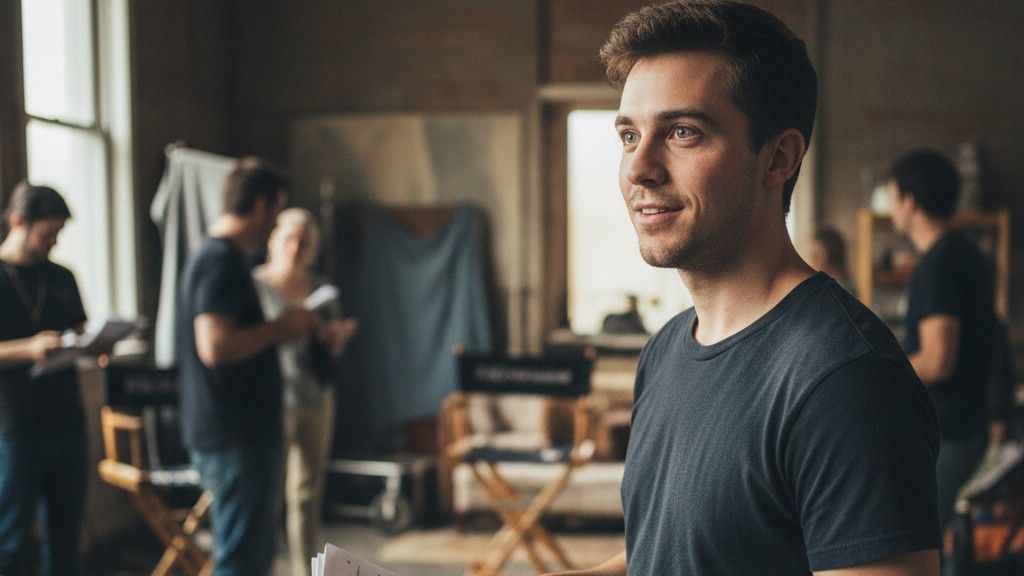
Here's the trap almost every beginner faces: you cannot get roles without experience, but you cannot get experience without roles. It feels like a locked door. It is not. Experience is not what you need before you start; it is what you build by starting.
The short answer: Build a simple self-tape setup, prepare one short performance piece, get a clear current headshot, and submit for low-barrier work. Student films, background work, indie shorts, and self-produced scenes can give you your first credits, footage, and experience on set.
Why no experience is a smaller obstacle than you think
On entry-level projects, being new is expected. Casting still needs someone who is believable, prepared, and able to follow directions. An empty resume does not stop you from showing those things in a clean audition.
Do not pad your resume or wait until you feel qualified. Treat the empty sections as a practical list of things to build.
Start with little or no money
You do not need a large bank balance, film school, an agent, or a move to Los Angeles or New York before you begin. Headshots, classes, and coaching can become useful expenses later, but they are not an entry fee.
Use what you already have first. A phone, a quiet corner, a plain wall, daylight or a lamp you can soften, and a willing reader are enough to practise and record an early tape. Take free or low-cost training when it is useful, trade scene-reading time with other actors, borrow equipment before buying it, and choose local opportunities that do not require expensive travel.
Spend first on the problem that is actually holding your work back. If the sound is clear and the picture is usable, another light will not replace rehearsal. If you are getting auditions but your tape is hard to hear, fixing the sound matters more than buying new wardrobe. For a structured place to continue learning, use the acting-career course or begin with the free online acting classes.
Build a self-tape corner
Your first practical asset is a place where you can record without rebuilding the room every time. Use a phone at eye level, a quiet space, an uncluttered background, and soft, even light. Record a short test, listen through headphones, and correct anything that makes the words or your face hard to follow.
Keep the setup simple. Perfecting equipment can become another way to postpone performing.
Prepare one piece you can perform now
Choose one short monologue or scene that fits your age and casting range. Learn it well enough that you can listen, make adjustments, and stay present instead of searching for the next line. One complete, rehearsed piece is more useful than a folder of material you only partly know.
Get a usable headshot
Your first headshot should be a clear, well-lit, current picture that looks like you on an ordinary day. It does not need glamour retouching or an elaborate concept. If money is tight, begin with a carefully framed photo at home and plan to upgrade when the work justifies the cost.
Climb the credit ladder
Experience is usually a series of small jobs, not one break. Start with opportunities that teach you how auditions and sets work:
- Student films. These can provide a speaking role, footage, and experience working with a crew.
- Background work. This can teach set etiquette and let you observe a professional production without carrying a scene.
- Indie shorts. Small productions can give you scenes that show what you can do.
- Self-produced scenes. If you are not being cast yet, record a scene with another actor and create evidence of your work.
Not every job will provide usable footage, so ask what is promised before treating it as reel material. Each useful experience can still improve your preparation, confidence, and understanding of the work.
Start submitting before you feel ready
Look for student films, background calls, indie shorts, and local casting calls that fit you. Submit directly where self-submissions are accepted. Keep your materials accurate and follow every instruction in the notice.
You do not need experience to audition. You need prepared material and the willingness to submit before you feel completely ready.
Do you need classes or an agent first?
No. Training can make you better, and good classes are worth taking when they fit your budget, but training should support auditioning rather than replace it. An agent can bring access and help manage opportunities, but an agent is not required for your first self-submissions.
A clean tape, a truthful headshot, and a few completed projects give a future representative something concrete to work with.
Mistakes that keep beginners stuck
- Waiting for permission. Begin with work you can do and submit for now.
- Spending before practising. Use your current tools enough to know what actually needs improvement.
- Faking credits. An honest new actor is more trustworthy than an inaccurate resume.
- Hiding in classes. Train and audition; do not use one to avoid the other.
- Sending a weak tape. Check framing, light, and sound before submitting.
- Chasing an agent as step one. Build some material and experience first.
- Overthinking your type. Auditioning will teach you more about where you fit than waiting for a perfect label.
Your first month
- Set up and test one reliable recording corner.
- Prepare and record one short monologue or scene.
- Take a clear, current headshot.
- Make honest, simple profiles on the casting services used in your area.
- Submit for suitable student, background, indie, and local work.
- Track what you submitted, what you learned, and what needs improvement.
The aim is not to look established before you begin. It is to create a repeatable way to train, audition, and collect real experience one project at a time.