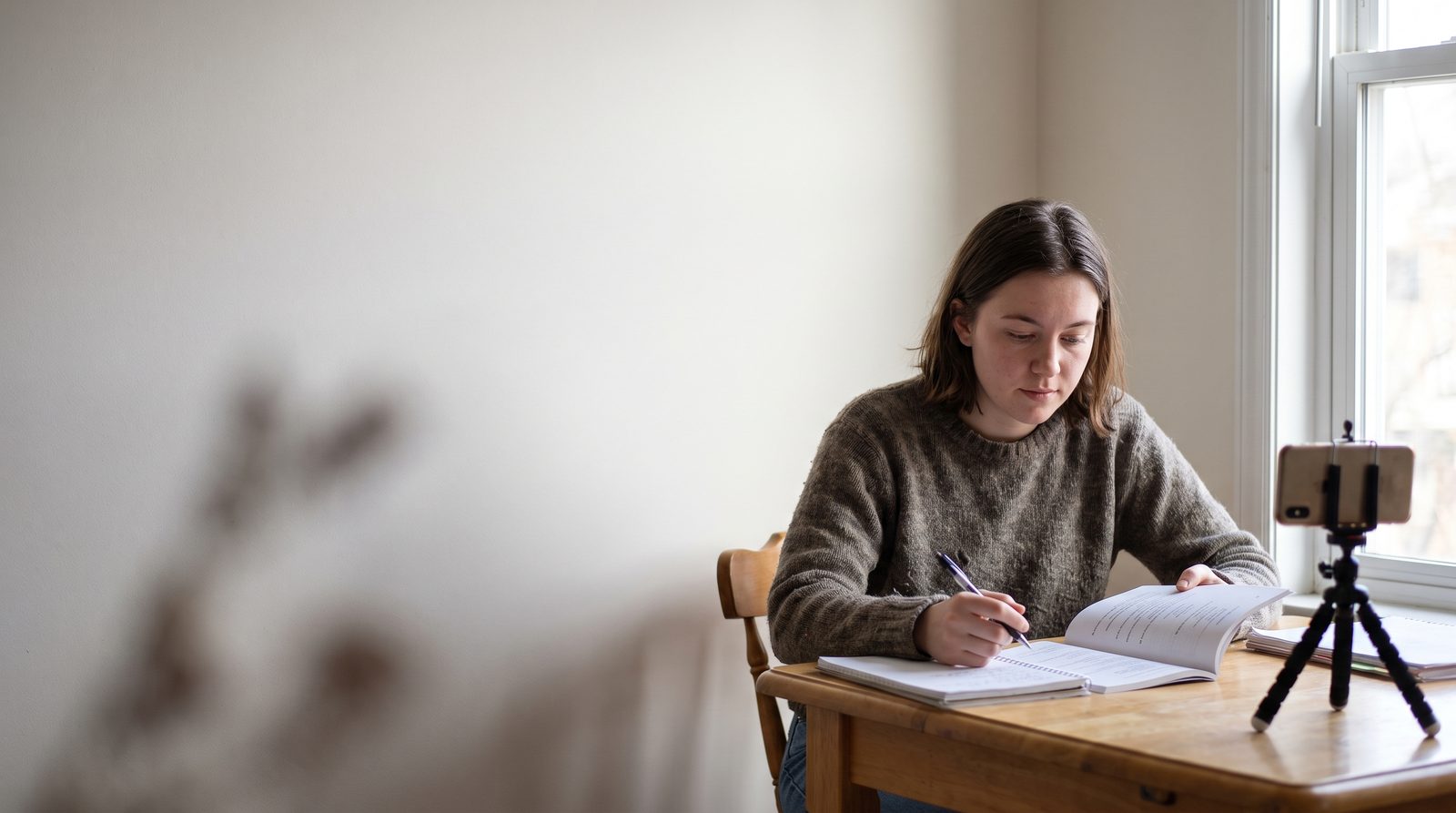
Six things get called a free class
They are not the same thing, and the difference is the whole page.
Almost every “free acting classes” page mixes these six together, which is why they all read as padding. Sorted honestly, the picture gets much clearer and much more useful.
The best free acting resource in the world
It is a library card, and almost no actor knows.
Many public library services subscribe to professional theatre and film libraries on your behalf. You do not pay. You enter a card number. This appears on none of the free-acting-class lists we could find, and it beats everything that does appear.
Drama Online is Bloomsbury’s digital drama library, and its core collection runs to over two thousand three hundred plays by leading dramatists. Access is by library card.
The L.A. Theatre Works collection: professionally acted recordings of major plays. Arguably the best free resource anywhere for hearing how text actually works aloud.
Recorded Royal Shakespeare Company productions, included in the same subscription. This is what a theatre ticket normally buys.
Documentaries, world cinema and television, also free with a library card at participating services, usually with a monthly ticket allowance.
An actor needs repertoire — to have read a lot of plays and watched a lot of acting. It is the part of training that everybody assumes you already have and nobody teaches, and it is normally bought with tickets and texts.
A library card converts that entire cost to zero. Not a discount. Zero.
Material to actually work on
Hundreds of plays, legally, for nothing.
You do not need commissioned sides to practise. A public-domain scene, a reader and a phone is a complete self-tape rehearsal, and it costs nothing at all.
A trap nobody explains
Free to read is not the same as free to perform.
A script being readable online tells you nothing about whether you may put your version of it on the internet. Those are two different permissions, and the second one is the one that can bite.
Almost always fine
Private practice
- Reading and rehearsing anything, for your own work.
- Recording yourself and watching it back, however many times.
- Taping an audition from the sides you were sent. That is what sides are for.
- Working a copyrighted scene in a class or with a partner.
Check before you post
Anything public
- YouTube, a showreel, social media — these are publication, not practice.
- Modern scripts may be free to read while performance rights are separate and chargeable.
- Public domain is the safe default for anything you intend to publish.
- Never post your sides. They are usually confidential and often watermarked, and sharing them can get a tape rejected.
The most protective paragraph on this page
The rule you assume protects you was struck down.
On a page whose entire audience is looking for something free, this is the thing worth knowing before anything else. “Free trial” almost always means “paid subscription that starts automatically.”
Current as of 31 August 2026 — and moving
Click-to-Cancel never took effect.
The FTC’s Negative Option Rule would have required sellers to give you “a cancellation mechanism at least as simple as the enrollment process.” In July 2025, days before the compliance deadline, the Eighth Circuit vacated it. As one law firm put it plainly: this rule never took effect.
You are not unprotected. ROSCA still bans online automatic charges without clear disclosure before your card details are taken, your express informed consent, and a simple way to stop the charges. Roughly 30 states have their own automatic-renewal laws, some stricter than the vacated federal one. Enforcement is live — the FTC sued JustAnswer in January 2026, and Instacart agreed to pay $60 million in refunds in December 2025. The FTC restarted rulemaking on 30 January 2026.
Before you enter card details, find the cancel button. Note the exact amount, the billing date and the interval. Set a reminder two days before the trial ends. Keep the cancellation confirmation until the next billing date passes. And remember the simplest test of all: a genuinely free resource does not need your card.
Where free genuinely runs out
Two things a video cannot give you.
Everything the casting side says it is assessing is relational and observed — whether you are actually listening, whether you connect with the other person, whether something changed. None of that can be practised alone.
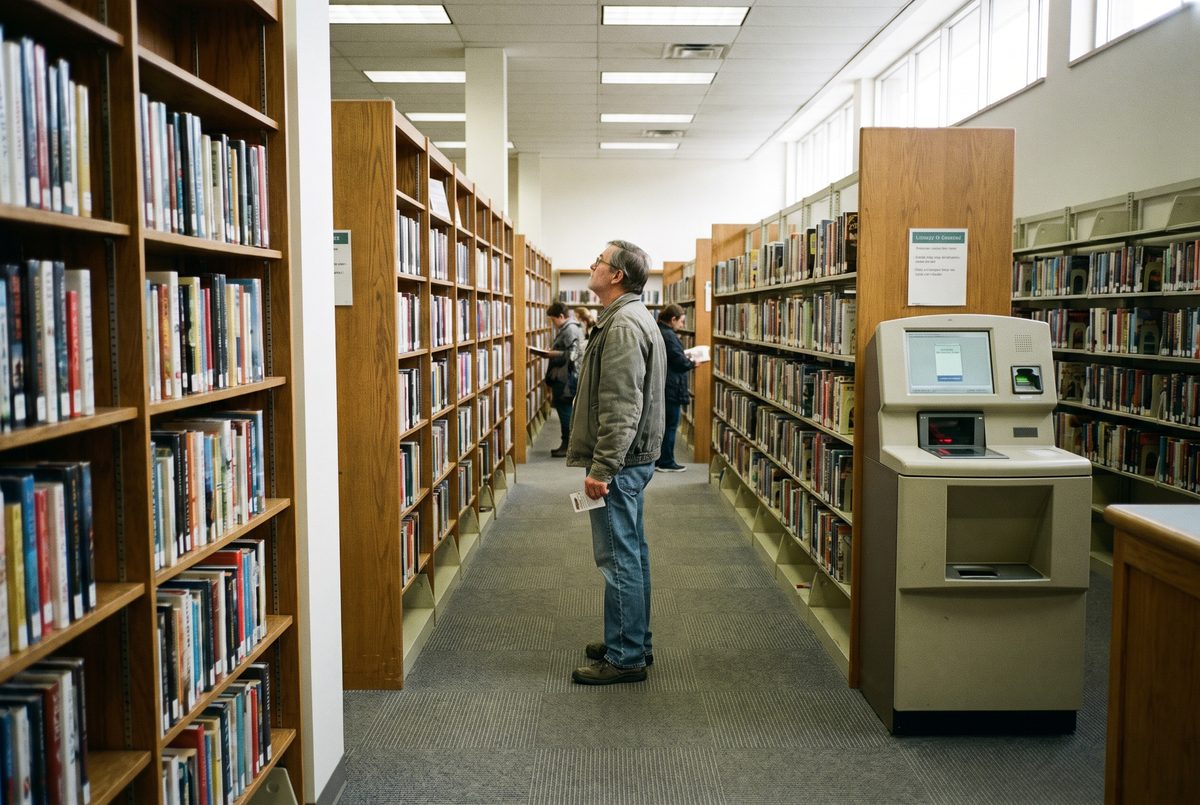
The overlooked first stop. Whatever else is free, this is the one that needs no card details.
Acting is one of very few skills that cannot be rehearsed on your own. So the two things free content structurally cannot supply are a scene partner and feedback. Everything else — technique, analysis, repertoire, self-tape craft, industry knowledge — is available for nothing.
Yes, and it would be patronising to pretend otherwise. But it is a smaller disadvantage than it used to be, and that is not a consolation prize — it is a real change.
The material layer is now essentially free. The audition layer is a self-tape you can make with a phone. And the two things you are missing are the two things you can get without money: youth theatre, community theatre, student films, and a reciprocal reader pool of three or four people who read for each other.
On readers specifically, the casting side is reassuring. The CDG’s code says a reader is beneficial but should not be an absolute requirement, and that actors are not expected to pay for one. Casting directors on record say a reader who sounds stiff is fine as long as you can connect with them, that a non-actor friend reading off camera cannot harm you, and that the right move is to be a reader for your friends and start a group where you all read for each other. Build the pool before you need it, because asking is much easier when you have already said yes to somebody.
Free, but not unstructured
Twelve weeks, in the order the free resources are actually useful.
A list of links leaves you with content. This leaves you with a partner. That is the only real difference between a free education that works and one that quietly stops in week three.
Weeks one to four — input
Get the library card. Read four plays from Gutenberg or Drama Online. Listen to four recorded audio plays and follow along in the text at the same time. Read the free union and guild guidance end to end.
This is the repertoire layer, and it is the part money normally buys.Weeks five to eight — doing it alone
Pick two contrasting public-domain monologues and work them. Film every attempt and watch it back. Learn to self-tape properly, using this Academy, because it is free and it is the format you will be judged in.
Watching yourself is the closest free substitute for feedback. It is not as good. It is not nothing.Weeks nine to twelve — getting a person
Join a local youth or community theatre, or find one other person to work with reciprocally. Do a scene. Do a student film. Read for other people first, so that asking is frictionless when your turn comes.
The free plan has done its job the moment it gets you off the screen and into a room.What is actually worth your time
The best free resources are not acting classes at all.
Sorted by what it will actually do for you, rather than by what calls itself a class.
The question nobody asks on your behalf
When should you actually start paying, and for what?
This is a recommendation rather than a finding, so treat it as one. The principle behind it is simple: spend your first money on the thing free cannot give you.
Nothing at all
Library card, public-domain text, union guidance, this Academy. That is weeks one to eight and it costs zero.
Free, but expensive in time
Youth or community theatre. This solves the partner problem, which is the actual bottleneck, and it still costs nothing.
Your first real spend — a class
Chosen using the method in the beginners chapter: audit it first, check you will genuinely be worked on, and remember that price tracks brand and demand more than teaching quality.
A microphone, if you are taping
The one piece of self-tape gear with a real argument behind it. Only after you have tested your room and know sound is the problem.
Headshots, when you are submitting
Not as proof that you are serious. Because a real opportunity has arrived and it requires them.
And the version that matters more
Four things not to buy first.
- A showreel. Before you have anything worth cutting into one, it is an expensive folder of nothing.
- An “agent” who charges upfront. Legitimate agents take commission after a booking. They do not charge to sign you.
- A paid casting website, before you know whether you will submit for anything on it.
- A workshop sold as access to a casting director. Judged by our scam research, this is the likeliest of all to take a beginner’s money for nothing.
The honest state of the evidence
Where this gets contested.
Are there free online acting classes?
DozensPage after page lists them, and some of the instruction really is good.
Almost noneNearly all of it is content, lead generation or a trial. A class needs a person’s time.
Is a free trial safe?
ProtectedROSCA requires easy cancellation, around 30 states have their own laws, and the FTC is actively enforcing.
Not guaranteedThe federal Click-to-Cancel rule was vacated in July 2025 and never took effect.
Is free material enough?
NearlyThe text, repertoire and instruction layers are genuinely excellent and cost nothing.
NoYou still cannot get a scene partner or honest feedback out of a PDF.
Can I use a free monologue anywhere?
It is freeFree to read, free to download, free to rehearse.
Not to publishFree to read is not free to perform. Public domain is the safe default for anything public.
Where is the best free training?
The listiclesYouTube, and a long list of channels that will be out of date in a year.
ActuallyA library card, four union websites and a local am-dram group. None of them appear on the listicles.
Am I disadvantaged without money?
YesSaying otherwise would be dishonest, and you would know it.
Less than beforeMaterial is free, auditions are self-tapes, and the missing pieces are obtainable without money.
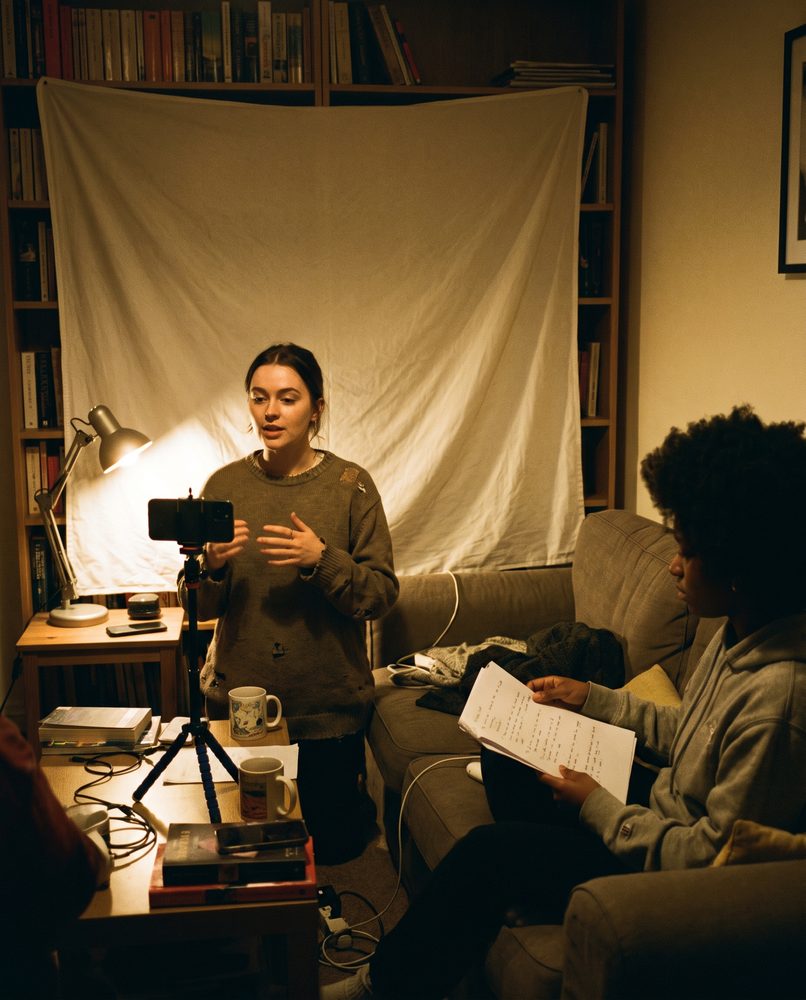
Tonight: get the card, pick one play.
Search your library’s digital collection for Drama Online, Kanopy, theatre and play texts. If nothing comes back, use Gutenberg or Folger instead. Read ten pages, then put the next practice date in the calendar.
Then work through the twelve weeks, and spend your first money on the one thing none of this can give you.
Learn to self-tape, free