The 2.5 Second Rule in Casting
In high-volume casting, the first seconds decide whether a tape gets watched. Prepare the thumbnail, opening frame, eyeline, sound, and first beat.
By Sal Framondi
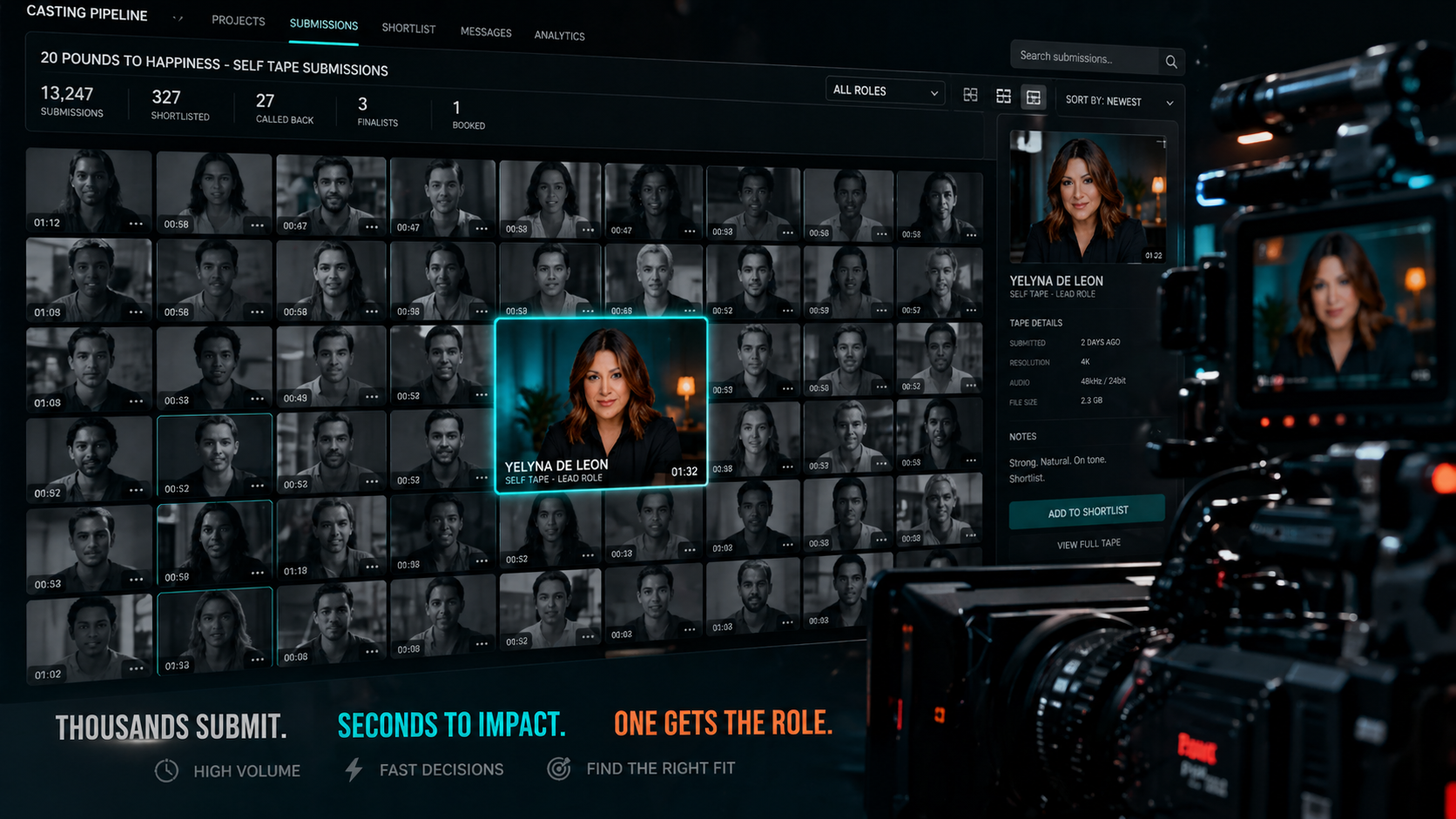
In a casting process involving more than 13,000 self-tape submissions, filmmaker and actress Yelyna De Leon described starting with the image. Before evaluating a performance, she looked at whether the picture fit the character and gave her a reason to open the tape.
The useful lesson is not whether the window is exactly 2.5 seconds or three seconds. It is that the first seconds of a submission decide whether the work gets watched. In a large group of submissions, your headshot, thumbnail, opening frame, and first beat must make the material easy to assess.
The audition starts before the tape plays
A headshot is not only a portrait. In a casting portal it may appear as a small thumbnail among many others. It should be current, clearly framed, free of distracting elements, and consistent with how you will appear in the audition.
The aim is not to wear a costume or force a character idea into the image. Suggest the role without hiding yourself. A casting team needs to understand quickly who you are and whether your look belongs in the world of the project.
Make the first frame ready to watch
Your first visible frame should already be in focus, properly exposed, and framed as requested. Do not begin with a black screen, a camera adjustment, a wardrobe check, or a search for your mark. Those moments make the viewer wait for the audition to begin.
Choose a clean frame where your eyes are visible and your eyeline is close enough to the lens for the viewer to read your expression. Unless the instructions call for direct address, keep your scene partner just off camera rather than looking into the lens.
Remove dead air without cutting the acting
Trim accidental setup time from the beginning of the file. You should already be in the circumstances of the scene when the tape starts.
That does not mean rushing the first line or deleting an intentional listening beat. The distinction is simple: a pause belongs when the character is actively thinking, listening, or deciding. It does not belong when the actor is settling, checking the reader, or preparing to start.
Show that you understand the tone
Once the tape opens, the next question is whether the performance belongs in the project. De Leon described looking for an understanding of tone. Comedy, grounded drama, heightened material, and stylized work ask for different choices. A technically strong performance can still feel wrong if it comes from a different world than the script.
Read the full instructions and all available pages. Notice the pace, genre, relationships, and level of behavior on the page. Make a clear choice before recording instead of using the submitted take to explore possibilities.
Technical clarity is part of the first impression
Lighting, sound, and framing do not need to be elaborate, but they must not interfere with the scene. Test that your face is easy to see, your voice is easy to hear, and the background does not compete for attention. The self-tape audition technique guide covers the performance and presentation choices that help a tape begin cleanly.
Prepare before you press record
De Leon noted that professional work may allow very few takes. Treat the self-tape the same way: rehearse the material, test the frame and sound, then record when you are ready to deliver the scene. Do not depend on a long lead-in to find the character.
Before submitting, watch the opening once without forgiving setup mistakes. Check the thumbnail, the first frame, the first intentional beat, the eyeline, and the sound. If all five are clear, the viewer can pay attention to the acting instead of the file.
The first-seconds checklist
- Use a current headshot that reads clearly at thumbnail size.
- Match your appearance to the submitted tape.
- Start on a sharp, well-lit frame.
- Remove accidental silence and setup movement.
- Keep the eyeline readable and follow the instructions.
- Begin with the scene already active.
- Confirm that the performance fits the tone of the material.
The first seconds do not replace the performance. They make space for it. When the image, opening, and tone are clear, the casting team can stop evaluating the setup and start watching your work.