Blog
3 months agoTheater Actors: How to Stop Overacting on Your Self-Tapes
Casting Director Jodi Rothfield reveals why stage training can fail on camera and how to recalibrate your energy for the lens.
By Admin
The Disconnect Between the Proscenium and the Lens
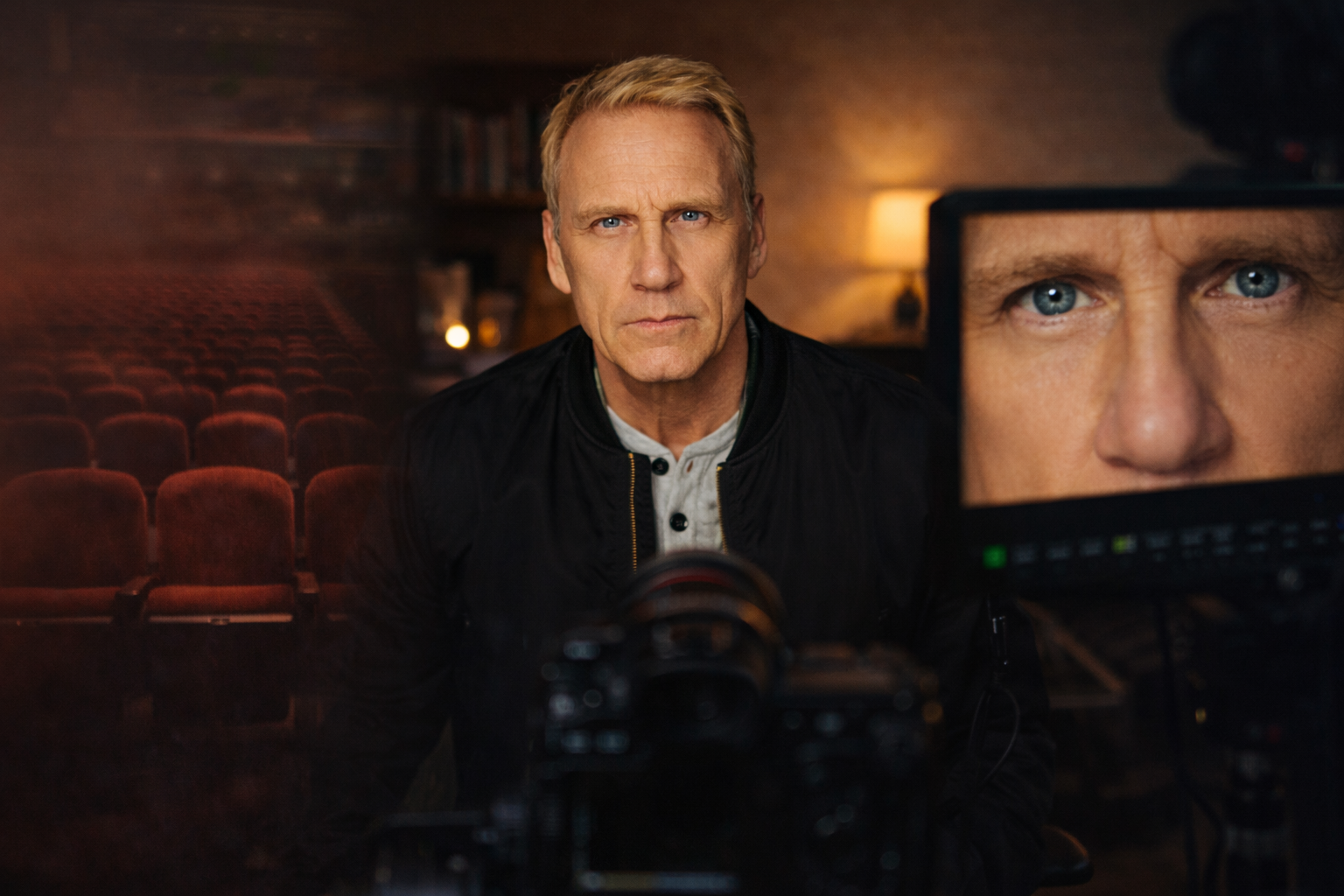
The most common hurdle for classically trained theater actors is a misunderstanding of spatial energy. In a theater, you are trained to project your voice and physicality to reach the back of a massive auditorium, sometimes reaching audiences thousands of feet away. However, as Jodi Rothfield points out, the "back of the house" in a self-tape is a camera lens positioned only two or three feet from your face. When you apply theater-sized energy to a high-definition 4K sensor, what feels like "truth" on stage translates as "overacting" on screen. The camera acts as a microscope, magnifying every gesture, blink, and vocal inflection. To succeed in film and television casting, you must learn to shrink your physical footprint while maintaining the internal emotional stakes that make your work compelling.
Trusting the Camera to Be a Thought Reader
One of the most profound shifts an actor can make is moving from "showing" an emotion to simply "having" it. In theater, you must indicate your internal state so that the audience can follow the story from a distance. On camera, however, the lens is designed to read your thoughts. Jodi Rothfield emphasizes that the camera catches the smallest flicker of light in your eyes and the tiniest change in your breath. If you "try" to show the casting director that you are sad, angry, or surprised, it looks like a performance rather than a lived experience. The discipline of the screen actor is the discipline of stillness. By trusting that the camera will do the work for you, you can focus on the specific, internalized thoughts of the character, allowing the lens to capture the authentic nuance that theater-sized projection often obscures.
Recalibrating for the Close-Up and the Editing Room
Understanding how your performance is viewed in the editing room is the final piece of the puzzle for the theater-to-film transition. Directors and editors are looking for moments of "accidental" truth rather than "indicated" performance. When you are in a close-up, a heavy sigh or a large nod can fill the entire screen, distracting the viewer from the emotional core of the scene. The goal is recalibrated specificity. This means making smaller physical choices and trusting that the camera’s proximity will give those choices the weight they need. By trading projected energy for internalized specificity, you demonstrate a level of technical cinema literacy that immediately signals to casting directors that you are ready for a professional set, regardless of how much time you have spent on the stage.
The most common hurdle for classically trained theater actors is a misunderstanding of spatial energy. In a theater, you are trained to project your voice and physicality to reach the back of a massive auditorium, sometimes reaching audiences thousands of feet away. However, as Jodi Rothfield points out, the "back of the house" in a self-tape is a camera lens positioned only two or three feet from your face. When you apply theater-sized energy to a high-definition 4K sensor, what feels like "truth" on stage translates as "overacting" on screen. The camera acts as a microscope, magnifying every gesture, blink, and vocal inflection. To succeed in film and television casting, you must learn to shrink your physical footprint while maintaining the internal emotional stakes that make your work compelling.
Trusting the Camera to Be a Thought Reader
One of the most profound shifts an actor can make is moving from "showing" an emotion to simply "having" it. In theater, you must indicate your internal state so that the audience can follow the story from a distance. On camera, however, the lens is designed to read your thoughts. Jodi Rothfield emphasizes that the camera catches the smallest flicker of light in your eyes and the tiniest change in your breath. If you "try" to show the casting director that you are sad, angry, or surprised, it looks like a performance rather than a lived experience. The discipline of the screen actor is the discipline of stillness. By trusting that the camera will do the work for you, you can focus on the specific, internalized thoughts of the character, allowing the lens to capture the authentic nuance that theater-sized projection often obscures.
Recalibrating for the Close-Up and the Editing Room
Understanding how your performance is viewed in the editing room is the final piece of the puzzle for the theater-to-film transition. Directors and editors are looking for moments of "accidental" truth rather than "indicated" performance. When you are in a close-up, a heavy sigh or a large nod can fill the entire screen, distracting the viewer from the emotional core of the scene. The goal is recalibrated specificity. This means making smaller physical choices and trusting that the camera’s proximity will give those choices the weight they need. By trading projected energy for internalized specificity, you demonstrate a level of technical cinema literacy that immediately signals to casting directors that you are ready for a professional set, regardless of how much time you have spent on the stage.